French Fries Honest Review — Is the Hype Justified?
I've been using and eating the same frozen-style French fries from the grocery freezer for several months now, preparing them in the oven and an air fryer, reheating leftovers, and comparing them to both homemade fries and the fries I get at local restaurants. After testing for breakfast, lunch, and late-night snacking sessions over the past four months, I wanted to share a thorough, hands-on account of what worked, what disappointed me, and whether the hype around these fries is actually justified.
Why I decided to test frozen French fries (and my setup)
I buy frozen fries because of convenience: when you want fries without leaving the house or messing with raw potatoes, they promise predictable results. In my kitchen I primarily used an air fryer and a standard convection oven. I also briefly deep-fried a small batch to compare texture. I cooked multiple bags, tried different cut styles where available (straight-cut, crinkle, shoestring), and tested different seasoning approaches: straight from the bag, with a light spray of oil, and tossed with a pinch of extra salt and smoked paprika.
Throughout testing I paid attention to the things that matter to me as someone who relies on these as quick sides: crispiness, interior texture (fluffy vs. dense), salt level, consistency bag-to-bag, ease of preparation, and how well they reheat the next day.
What I liked — the highs
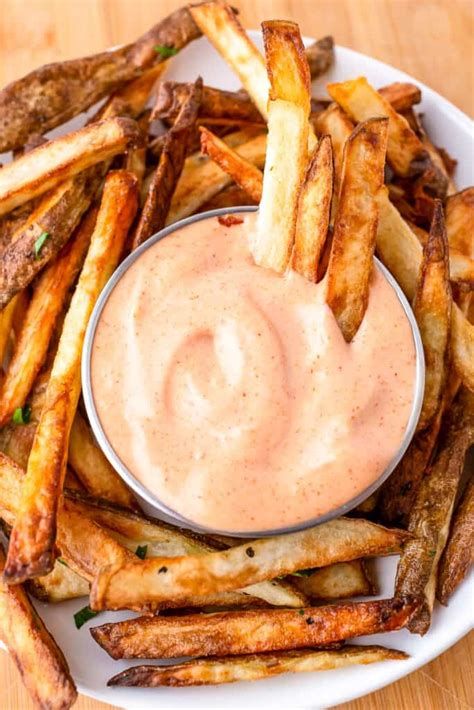
What I found was that frozen fries can genuinely hit that satisfying crisp-outside, fluffy-inside profile if you use the right method. In my experience, the air fryer delivered the best and most consistent results. A brief summary of the things I appreciated:
- Reliably good texture from the air fryer: When I preheated the air fryer and gave the fries a light spritz of oil, they came out golden and crunchy on the outside and tender on the inside. I noticed this repeatedly across different bags.
- Consistent portioning and cooking times: The bag portions were predictable — I could follow the package times as a starting point and then tinker for my crispness preference. That makes meal planning easy.
- Minimal prep: No peeling, cutting, or soaking. I really appreciated the time savings on busy weeknights.
- Versatility: The fries are an easy base for adding flavors — garlic powder, truffle oil, or parmesan transform them quickly without much hassle. They were forgiving of extra seasonings.
- Long freezer shelf life (when unopened): I stored unopened bags for weeks with no major decline in quality and noticed the same performance across several purchases.
What disappointed me — the lows
That said, the experience was far from perfect. I noticed specific disappointments that mattered enough to temper my enthusiasm.
- Inconsistent browning in the oven: When I used a standard oven without a convection fan or didn’t give the fries space on the pan, they often came out uneven — some pieces were perfectly crisp and others still limp. The oven required more oil or longer time to approach the air fryer result.
- Occasional freezer burn and clumping: A few bags I opened had clusters of fries stuck together due to partial thawing and refreezing at some point during distribution. Those clumps cooked unevenly and produced soggy centers.
- Salt level can be hit-or-miss: On several occasions I found the fries either slightly under-seasoned (fine with a light sprinkle) or noticeably salty. If you prefer consistent low sodium, you'll need to test and adjust.
- Artificial coating taste: Some coated cuts (meant to promote crispness) left a faint processed aftertaste when eaten plain, which I didn’t like during a quiet, flavor-focused snack.
- Not great for reheating microwave-style: Leftovers reheated in the microwave turned limp quickly. Reheating in the oven or air fryer improved them, but that defeats the convenience of quick reheats.
- Health trade-offs: They’re high in calories and sodium compared to a baked potato or homemade fries if you’re watching nutrition.
Detailed product analysis — how they perform by cooking method
Air fryer
I've been using the air fryer the most because it balances speed and texture. After preheating to around 400°F (200°C), I shook the basket once halfway through and gave the fries a light coating of oil before cooking. What I noticed was:
- Consistently crisp exterior within 12–18 minutes depending on cut.
- Minimal oil required — a spray or one teaspoon per bag is enough.
- Uniform browning when fries are arranged in a single layer; overcrowding leads to steaming, so I cooked in batches.
Convection oven
In the convection oven, results were decent but required attention. I used a single-layer on a perforated baking tray when possible. Observations:
- Needed 5–10 minutes longer than package times to reach the same crispness as the air fryer.
- Benefit: easier to cook larger quantities at once.
- Downside: more variability in crispness unless you use a convection fan and flip the fries.
Pan/Deep-fry
I deep-fried a small batch at home to see how close frozen fries could get to fresh-fried restaurant fries. They crisped up beautifully but didn’t quite reach the delicate, fresh-potato flavor of freshly cut fries. They were, however, superior in texture compared to oven results. Pan-frying with oil and flipping worked in a pinch but used more oil than I preferred.
Find top-rated Electronics products at great prices.
View Offers →Reheating
Leftovers reheated best in the air fryer or oven. Microwaving made them soggy within minutes; a 5–6 minute stint at 375°F in the oven or 3–6 minutes in the air fryer brought back decent crispiness. I noticed that fries with an extra coating lost the least crispness on reheating.
Comparison: frozen fries vs homemade vs restaurant
| Aspect | Frozen Fries (my tested product) | Homemade Fries (fresh-cut) | Restaurant Fries |
|---|---|---|---|
| Convenience | Very high — ready in minutes | Low — time and prep intensive | Medium — order/delivery time |
| Consistency | High when cooked properly (air fryer) | Variable — depends on skill | High — typically consistent |
| Texture | Good crisp/soft interior when air-fried | Best — can be perfect with right technique | Often excellent (depends on oil & method) |
| Flavor | Neutral/processed aftertaste on some cuts | Fresh potato flavor, customizable | Often more flavorful due to frying oils/seasoning |
| Nutrition | Higher sodium and additives | Potentially lower if you control oil/salt | Often high in fat and salt |
| Price | Good value per serving | Varies by potato price/effort | Usually most expensive |
Packaging and storage notes
I kept unopened bags in the freezer and tried to finish an opened bag within a week. I noticed that once opened, the fries are prone to absorbing freezer smells unless the bag is tightly resealed. I used a zip-top bag inside the original packaging to prevent freezer burn. Also, streamlining portioning into single-serve zip bags right after opening made reheating smaller amounts more convenient and helped prevent repeated thaw/refreeze cycles.
The ingredient label generally showed potatoes, vegetable oil, and small amounts of preservatives or dextrose in the coated varieties; if you want fewer additives, look for the no-coating or “potatoes and oil only” variety when shopping.
Pros & Cons
Pros
- Convenient and time-saving — great for busy nights.
- Air fryer produces reliably crispy fries with minimal o…
1. Decide the cut you prefer
Straight-cut is the classic; crinkle-cut has more ridges that hold seasoning; shoestring cooks the fastest and gets crispier but dries out more easily. I liked crinkle for texture and straight-cut for a balanced bite.
2. Check the ingredient list
If you prefer fewer additives, find a bag that lists just potatoes and oil, or explicitly says “no artificial preservatives.” Coated fries may crisp better but can contain dextrose or additives that lend a processed flavor.
3. Look for air-fryer friendly guidance
Many packages now list air fryer cooking times specifically. If you plan to use an air fryer (I recommend it), pick a product that includes those instructions to shorten your trial-and-error phase.
Find top-rated Electronics products at great prices.
Shop Amazon →4. Inspect packaging size and storage needs
Choose a bag size appropriate for your household. If you live alone, a very large bag may go through multiple open/close cycles and risk freezer burn; if you cook for a family, consider larger bags or buying two medium bags.
5. Prefer companies with clear cooking temperature ranges
The best labels give a temperature range and a crispness tip (shake halfway, flip, or add a teaspoon of oil). That guidance helped me get repeatable outcomes.
6. Consider sodium and calorie information
For everyday meals, I paid attention to serving size sodium. If you're watching intake, choose lower-sodium options or season lightly after cooking so you control the salt.
Practical tips from my months of use
- Give the air fryer a quick preheat — that little head start matters for crispness.
- Don't overcrowd the tray or basket; cook in batches if necessary.
- Use a light spritz of oil rather than pouring — you get better browning with far fewer calories.
- If you must reheat, use the air fryer for 3–5 minutes rather than the microwave.
- Store opened bags inside a sealed container or zip-top bag to ward off freezer burn and clumping.
- Experiment with finishing salts or acids (a squeeze of lemon or a pinch of smoked salt) to brighten the flavor if fries taste a bit flat.
Final verdict — is the hype justified?
After several months of repeated use, what I concluded is this: the hype around frozen French fries is partially justified — but it depends on your expectations. In my experience, when prepared properly (especially in an air fryer), frozen fries are a fast, reliable way to get a gratifying crispy fry at home. They're consistent, inexpensive, and versatile enough to suit casual dinners and quick snacks.
However, they are not a perfect replacement for well-made restaurant fries or carefully executed homemade fries. There are trade-offs: occasional freezer-clumping, variable salt levels, and that faint processed coating taste on some cuts. If you prioritize convenience and a good balance of texture and flavor, you’ll be satisfied. If you’re chasing the absolute best fry experience, you’ll likely still prefer fresh-cut potatoes fried in a restaurant setting.
For my kitchen, frozen fries have earned a permanent spot in the freezer. I appreciate how they deliver good results with minimal fuss when I use the air fryer and follow a few of the tips above. I just don’t expect them to outperform a freshly cut, double-fried batch from a dedicated fryer. In short: use them for convenience and consistency, but don’t expect them to be gourmet — and you’ll be pleased with what they offer.