Should You Upgrade from X T30 II to Eos Rp?
The transition between camera systems is one of the most significant decisions a photographer can make. When comparing the Fujifilm X-T30 II and the Canon EOS RP, we aren't just looking at two different cameras; we are looking at two different philosophies of imaging. The X-T30 II represents the pinnacle of the APS-C enthusiast market, blending retro aesthetics with modern processing power. The Canon EOS RP, while older in its release cycle, remains one of the most accessible entries into the world of full-frame photography. For many users, the question of whether to "upgrade" is complex because moving from an APS-C sensor to a full-frame sensor is often seen as a linear progression, yet the Fuji system offers specific tactile and color-science advantages that many professionals prefer over larger sensor formats.
In this detailed analysis, we will explore whether moving from the Fujifilm X-T30 II to the Canon EOS RP constitutes a true upgrade for your specific workflow. We will examine sensor performance, autofocus capabilities, lens ecosystems, and the physical handling of both machines to help you decide if the switch to Canon’s R-system is the right move for your creative journey.
Analysis: The Fujifilm X-T30 II Experience
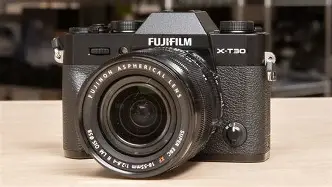
The Fujifilm X-T30 II is often affectionately called the "Little Giant." It houses the 26.1-megapixel X-Trans CMOS 4 sensor, the same sensor found in the professional-grade X-T4. This sensor is unique because it uses a non-Bayer color filter array which minimizes moiré and false colors without the need for an optical low-pass filter. The result is an image that is remarkably sharp and carries a film-like texture that Fuji users have come to adore.
For the street photographer or the travel enthusiast, the X-T30 II is nearly perfect. It is compact, lightweight, and features dedicated physical dials for shutter speed and exposure compensation. The "joy of use" factor is high here. Furthermore, Fujifilm's Film Simulations, such as Classic Neg and Eterna, allow photographers to produce high-quality JPEGs that require little to no post-processing. The autofocus system is snappy, featuring 425 phase-detection points that cover nearly the entire frame, making it reliable for tracking human subjects and pets alike.
Analysis: The Canon EOS RP Experience
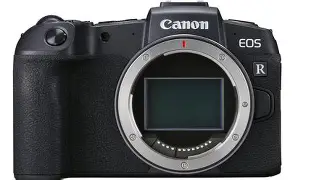
The Canon EOS RP was designed to bring full-frame photography to the masses. It utilizes a 26.2-megapixel CMOS sensor that is physically much larger than the sensor in the Fuji. Traditionally, a larger sensor means better performance in low light, shallower depth of field (the "bokeh" effect), and improved dynamic range. The EOS RP is surprisingly small for a full-frame camera, weighing only slightly more than the X-T30 II, making it a very portable option for those who want the full-frame "look" without the bulk of a professional DSLR.
Canon’s ergonomics are legendary, and the EOS RP follows suit with a deep, comfortable grip that feels secure even when using larger lenses. The Dual Pixel CMOS AF system is smooth and accurate, particularly for eye-tracking. While the burst rate is significantly slower than the Fuji’s, the RP excels in portraiture and landscape photography where the depth and tonality of a full-frame sensor can truly shine. The RF lens mount is also a major selling point, as it provides access to some of the finest glass ever produced, though many of those lenses are significantly larger and more expensive than their Fuji counterparts.
Comparative Analysis: APS-C vs. Full Frame
The core of this debate lies in the sensor size. The X-T30 II’s APS-C sensor has a "crop factor" of 1.5x. This means a 35mm lens on the Fuji behaves like a 50mm lens on a full-frame camera. For wildlife and sports photographers, this is an advantage because it gives you more reach. However, for those seeking wide-angle perspectives or that distinct separation between subject and background, the full-frame sensor of the EOS RP is superior. At the same aperture, say f/2.8, the EOS RP will produce a shallower depth of field than the X-T30 II, giving portraits a more "professional" or "cinematic" feel.
Discover deals on Electronics — updated daily.
Shop Amazon →In terms of low-light performance, the EOS RP generally holds a slight edge in noise management at high ISO settings, though Fuji’s X-Trans sensor is impressively clean up to ISO 6400. The real difference is found in the "rendering." Full-frame sensors often provide a smoother transition between highlights and shadows. Conversely, the Fujifilm system is often praised for its "soul"—the way it renders skin tones and colors is distinct and, for many, more pleasing than Canon’s more clinical (though accurate) color reproduction.
Pros and Cons: Fujifilm X-T30 II
- Pro: Retro Ergonomics – Dedicated dials for exposure settings provide a tactile experience that encourages learning and manual control.
- Pro: Film Simulations – The ability to bake in beautiful color profiles like Acros or Classic Chrome directly into the files saves hours of editing.
- Pro: Portability and Lens Size – The X-mount lens ecosystem is designed specifically for APS-C, meaning the lenses are significantly smaller and more balanced for a compact body.
- Pro: Fast Burst Shooting – With electronic shutter speeds up to 30fps (with a crop), it is much better suited for capturing fast-moving action than the RP.
- Con: Smaller Grip – The body is very flat, which can lead to hand fatigue during long shoots or when using heavier zoom lenses.
- Con: Battery Life – The W126S battery is relatively small, often requiring users to carry two or three spares for a full day of shooting.
- Con: Video Limit – While it shoots 4K, it is prone to overheating during extended recording sessions compared to larger bodies.
Pros and Cons: Canon EOS RP
- Pro: Full-Frame Sensor – Offers the traditional 35mm field of view and superior subject separation (bokeh) compared to APS-C.
- Pro: Vari-Angle Touchscreen – The fully articulating screen is better for vlogging and vertical compositions than the Fuji’s tilt-only screen.
- Pro: Ergonomics and Grip – Despite its small size, the grip is substantial and comfortable for users with larger hands.
- Pro: Dual Pixel Autofocus – Canon’s AF is exceptionally smooth and "sticky," particularly useful for video and portrait sessions.
- Con: Slow Burst Rate – At only 5fps (and only 4fps with AF tracking), it is frustrating to use for sports or erratic children.
- Con: 4K Video Crop – When shooting in 4K, the camera applies a heavy crop and loses its Dual Pixel AF, making it essentially a 1080p camera for serious videographers.
- Con: Lens Cost – While the body is affordable, high-quality RF glass is an investment that can quickly exceed the cost of the camera itself.
Technical Specification Comparison
| Feature | Fujifilm X-T30 II | Canon EOS RP |
|---|---|---|
| Sensor Type | APS-C X-Trans CMOS 4 | Full-Frame CMOS |
| Resolution | 26.1 Megapixels | 26.2 Megapixels |
| ISO Range | 160 - 12,800 (Ext. 80-51,200) | 100 - 40,000 (Ext. 50-102,400) |
| Autofocus | 425-Point Phase Detect | 4,779-Point Dual Pixel AF |
| Continuous Shooting | 8fps (Mech) / 30fps (Elec. Crop) | 5fps (4fps with tracking) |
| Video | 4K up to 30p (No Crop) | 4K up to 24p (Heavy Crop) |
| LCD Screen | 3.0" Tilting Touchscreen | 3.0" Vari-angle Touchscreen |
| Weight (Body Only) | 329g | 440g |
Buying Guide: Who Should Switch?
Deciding to switch systems is a major financial and workflow commitment. To determine if the EOS RP is the right move for you, consider the following real-world profiles.
The Portrait Specialist
If your primary focus is taking photos of people, the Canon EOS RP is a clear upgrade. The combination of full-frame depth of f…The Low-Light Enthusiast
Photographers who frequent jazz clubs, shoot inside dark cathedrals, or enjoy astro-photography will appreciate the larger pixels of the EOS RP. While the X-T30 II is excellent, the laws of physics favor the larger sensor. You can push the RP to ISO 6400 or 12,800 with more confidence that the dynamic range will hold up in the shadows. If you find yourself constantly hitting the limits of your Fuji sensor in dim environments, the move to full-frame is justified.
The Street and Travel Photographer
If you fall into this category, switching to the EOS RP might actually feel like a downgrade. The Fujifilm X-T30 II is built for the "decisive moment." Its mechanical dials allow you to change settings while the camera is off or hanging at your hip. The lenses are small enough to fit the camera into a jacket pocket. The Canon EOS RP, while small for a full-frame, quickly becomes bulky once you attach professional lenses. Furthermore, the Fuji's discrete appearance and silent leaf-shutter feel (when using electronic shutter) make it much less intimidating for street photography.
The Hybrid Creator (Photo and Video)
This is where the X-T30 II takes a surprising lead. Despite being an APS-C camera, its video specifications are superior to the EOS RP in almost every way. It records 4K video using the full width of the sensor (downsampled from 6K), resulting in incredibly sharp footage. It also offers F-Log for color grading. The Canon EOS RP, by contrast, suffers from a nearly 1.7x crop in 4K and loses its best feature—Dual Pixel AF—leaving you with slow contrast-detect autofocus. If video is 50% of your work, stay with Fuji or look toward the Canon R6, as the RP will likely frustrate you.
Looking for the best Electronics deals on Amazon?
Browse Now →The Lens Ecosystem Factor
Moving from the X-T30 II to the EOS RP means leaving behind the X-mount ecosystem. Fujifilm has spent a decade perfecting lenses specifically for APS-C. This means their 18-55mm f/2.8-4 is a high-quality, metal-build kit lens that has no direct equal in the Canon RF-mount for the same price. Canon’s "consumer" RF lenses are often made of plastic and have narrower apertures (like f/7.1 at the long end), which negates some of the full-frame sensor's light-gathering advantage.
However, the RP allows you to use an EF-to-RF adapter, opening up thirty years of affordable, high-quality Canon DSLR lenses. If you have a collection of old Canon glass or want to buy used L-series lenses on the cheap, the EOS RP becomes a very attractive "brain" for those optics. This adapter-friendliness is a major reason why many enthusiasts move to the Canon R system.
Conclusion
The Fujifilm X-T30 II and the Canon EOS RP are both exceptional tools, but they serve different masters. The X-T30 II is a specialized instrument for those who value speed, portability, and the "soul" of their images. It is a camera for someone who wants to enjoy the process of photography as much as the result. Its video capabilities and high-speed shooting make it a more versatile all-rounder for the modern content creator.
The Canon EOS RP is a gateway into the prestigious world of full-frame imaging. It is an upgrade if your work demands the specific aesthetic of a 35mm sensor: the creamy backgrounds, the wide-angle expansiveness, and the high-ISO cleanliness. It is a camera for the patient photographer—the portraitist, the landscaper, and the family documentarian who wants that "full-frame look" without spending thousands of dollars.
Ultimately, to upgrade from the X-T30 II to the EOS RP is to trade versatility and character for sensor size and ergonomics. If you feel restricted by the depth of field on your Fuji or find yourself struggling in very dark rooms, the Canon EOS RP will solve those problems. But if you love the tactile dials, the film simulations, and the compact nature of the Fuji system, moving to the RP might feel like losing a piece of what makes photography fun for you. Evaluate your most frequent shooting scenarios carefully; sometimes the best upgrade is not a larger sensor, but a better lens for the system you already own.