The Ultimate Setup Guide for Your S85D Oled
Introduction
The S85D Oled lands in a crowded premium-TV market with a promise many buyers seek: near-perfect black levels, wide viewing angles, and cinematic color accuracy. For prospective owners, the experience of configuring the TV is as important as the hardware itself. This guide walks through everything an owner needs to know to get the most from an S85D Oled—from unboxing and placement to picture calibration, gaming configuration, sound optimization, and long-term care. The tone is editorial and practical: it assumes readers want reliable, real-world advice that reflects both consumer priorities and use-case realities such as movie nights, gaming sessions, and bright living rooms.
First Impressions and Overview
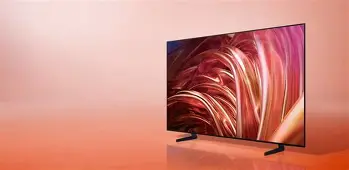
Out of the box, the S85D Oled typically impresses with a slim profile, minimal bezel, and a deep, uniform black that modern OLED panels are known for. The OLED technology delivers self-emissive pixels, meaning each pixel can switch off completely for true blacks and exceptional contrast. Buyers often list picture quality, HDR performance, input lag (for gamers), smart platform responsiveness, and longevity as their top concerns. The S85D is positioned to address many of these, but understanding its strengths and limits improves satisfaction.
Key Specs to Note
- Panel type: OLED (self-emissive pixels)
- HDR support: Dolby Vision, HDR10, HLG (verify specific model firmware)
- Input ports: Multiple HDMI 2.1-capable inputs (important for 4K120 gaming)
- Refresh features: Variable Refresh Rate (VRR), ALLM (Auto Low Latency Mode)
- Smart platform: Proprietary OS with app store and streaming apps
Detailed Product Review & Analysis
The S85D's most compelling attribute is its contrast. For movie lovers, the depth of black enhances shadow detail and creates a theatrical feel without the need for a dedicated projector. Color reproduction out of the box is often vibrant; however, the default settings on many TVs are tuned for showroom brightness and saturated color. Real-world users will want to calibrate for their viewing environment.
For gamers, the S85D typically offers low input lag and HDMI 2.1 features that support 4K at high refresh rates. Competitive and immersive console play benefit from responsive settings like Game Mode and VRR. Esports players will appreciate low latency, while single-player and cinematic gamers will value the combination of deep blacks and accurate color in story-driven titles.
In brightly lit rooms, OLED can sometimes struggle compared to the brightest LED/LCD TVs because peak luminance is usually lower. The S85D still performs admirably with adaptive contrast and anti-reflective screen coatings, but buyers who sit opposite large windows should consider placement or controlled lighting to maintain contrast and color fidelity.
One long-standing concern for OLED owners is burn-in. Manufacturers have implemented numerous mitigations: pixel-shifting, automatic logo dimming, and panel refresh cycles. For most users with varied content, burn-in is unlikely within a normal usage profile. Owners who display static elements for hours each day—such as news tickers, persistent game HUDs, or stock market feeds—should use built-in protections and vary content to reduce risk.
Picture Quality in Different Use Cases
- Movie Viewing: Exceptional—deep blacks, excellent shadow detail, and accurate color when calibrated.
- Sports: Smooth motion and wide viewing angles make the TV suitable for groups watching live sports; enable motion handling cautiously to avoid soap-opera effects.
- Gaming: Low input lag and HDMI 2.1 support enable high-frame-rate gaming and smoother gameplay with VRR.
- Bright Room TV: Good, but consider placement or curtains; peak brightness won’t match top-tier high-lumen LCDs.
- Mixed-use Family Room: Versatile, but apply settings that balance brightness and image protection for varied content.
Pros & Cons
Pros
- Stunning contrast and true blacks due to self-emissive pixels
- Wide viewing angles—color and contrast remain consistent off-axis
- Excellent motion handling for most content when correctly configured
- Strong gaming feature set: low input lag, VRR, ALLM, and HDMI 2.1
- Thin profile and modern design fit well in living rooms and home theaters
Cons
- Lower peak brightness than the brightest LED/LCD TVs, which impacts HDR highlights in very bright rooms
- Potential burn-in risk if static images are displayed for prolonged periods without mitigation
- Out-of-the-box picture presets are often oversaturated or too bright for dim rooms
- High-end calibration can require professional tools or a willing enthusiast
Comparison Table: S85D Oled vs Common Alternatives
| Feature | S85D Oled | High-Brightness LED (e.g., premium QLED) | Entry OLED |
|---|---|---|---|
| Contrast | Excellent (perfect blacks) | Good (local dimming helps) | Very good, but fewer premium processing features |
| Peak Brightness | Moderate (sufficient for most rooms) | Very high (best for bright rooms) | Lower than S85D |
| Viewing Angles | Wide and consistent | Limited off-axis without special layers | Good |
| Burn-in Risk | Low with proper precautions | None (no self-emissive pixels) | Similar to S85D but may lack advanced mitigation |
| Gaming Features | Strong (HDMI 2.1, VRR, low lag) | Often strong, depends on model | Basic to moderate |
| Price Range | Premium | Wide range; premium models can be pricier | More affordable |
Step-by-Step Setup Guide
This section outlines the practical steps to get the S85D performing optimally. It assumes a standard living-room setup and common accessories such as a soundbar or game console.
Shop the latest TVs & Home Theater picks on Amazon.
Browse Now →1. Unboxing and Physical Setup
Place the TV on a flat surface with soft padding or mount it on the wall using a compatible bracket. Leave at least a few inches of clearance behind for ventilation—OLED panels and associated electronics still generate heat during extended HDR playback. Keep the following in mind:
- Use two people when lifting larger sizes to avoid panel stress.
- Route cables before finalizing placement—HDMI 2.1 cables for consoles/PCs should be as direct as possible.
- If wall mounting, ensure studs are used or suitable anchors are in place for the TV’s weight.
2. Connection Priorities
Connect high-bandwidth devices (game consoles, 4K HDR Blu-ray players, streaming boxes) to HDMI ports labeled for high-speed or HDMI 2.1. For audio, choose between ARC/eARC to the AV receiver or direct optical where eARC is unavailable. Recommended order of connection:
- Primary game console or PC to HDMI 1 (HDMI 2.1)
- 4K Blu-ray player to HDMI 2
- Soundbar/AVR via eARC-enabled HDMI
- Streaming device or built-in apps as needed
3. Initial Software and Firmware
Power up and follow the on-screen setup. Before jumping into content, check for firmware updates. Manufacturers regularly release firmware that improves image processing, adds features, and fixes bugs. Apply updates with a stable internet connection and do not power off mid-update.
4. Basic Picture Settings (Quick Start)
Use these baseline settings as a starting point; further calibration will refine them.…- Picture Mode: Set to Movie or Filmmaker for the most accurate color and tone.
- Brightness/Contrast: Leave contrast high but reduce brightness for dim rooms to avoid crushed blacks.
- Color Temperature: Choose Warm or Warm2 for a neutral white point.
- Motion Smoothing: Turn off or set to low for movies to avoid soap-opera effect.
- Game Mode: Activate for gaming to reduce input lag.
5. Advanced Calibration Tips
For enthusiasts, a calibration using a colorimeter and calibration software (or professional service) will yield the best results. If that’s not feasible, use test patterns and the TV’s built-in calibration tools:
- Use a 10% grayscale test pattern to adjust brightness and contrast—ensure shadow detail is visible without clipping.
- Use a white balance tool (if available) to adjust RGB bias across 20-100% luminance.
- Enable any available local dimming or pixel-level contrast enhancements sparingly to avoid artifacting.
- For HDR, leave tone mapping on automatic unless you understand the trade-offs for highlight clipping vs. shadow detail.
6. Gaming-Specific Setup
To get the best gaming performance:
- Connect the console/PC to the HDMI 2.1 port and enable 4K120 output on the device if supported.
- Turn on VRR and ALLM on the TV and console to allow dynamic refresh syncing and automatic low-latency mode.
- Disable unnecessary image processing features in Game Mode to minimize input lag.
7. Sound Optimization
Built-in TV speakers are convenient but rarely deliver full cinematic sound. For an improved audio experience:
Looking for the best TVs & Home Theater deals on Amazon?
Browse Now →- Connect a soundbar or AV receiver via eARC to support advanced formats and higher bandwidth audio.
- Use the TV’s audio delay/ lip-sync setting to align sound and picture if using external audio processing.
- For dialogue clarity, enable speech-enhancement features if available, but avoid heavy equalization that colors natural sound.
8. Long-Term Care and Burn-In Prevention
To minimize the risk of image retention and burn-in:
- Avoid leaving static logos or HUDs on the screen for extended periods—set screen savers where applicable.
- Enable automatic pixel refresh or panel compensation routines, and run them periodically (many TVs schedule this if left off).
- Vary content; streamers and households with mixed-use TV time rarely see problems.
Buying Guide: What to Consider Before Choosing an S85D Oled
When evaluating the S85D against other options, buyers should weigh technical features, viewing habits, and room characteristics. Below is a checklist of considerations that typically matter to real buyers.
Checklist
- Room brightness: If the room is very bright and reflective, consider whether the S85D’s brightness meets expectations, or if a brighter LED/LCD model is preferable.
- Primary use: Movie-focused households value contrast and color accuracy; gamers prioritize HDMI 2.1 features; sports viewers favor motion handling and anti-glare.
- Screen size and viewing distance: Choose a size that delivers the desired immersion without requiring excessive eye movement. For 4K content, sitting closer benefits detail perception.
- Connectivity: Verify the number of HDMI ports and whether they support the required bandwidth for 4K120, VRR, and eARC.
- Smart ecosystem: Ensure the TV’s smart platform supports preferred streaming apps and integrates with home automation if necessary.
- Warranty and service: Consider extended service plans if concerned about panel issues or accidental damage.
- Burn-in tolerance: Evaluate display usage patterns—static signage or 24/7 displays are not ideal for OLEDs.
Who Should Buy the S85D Oled?
The S85D is well-suited for cinephiles seeking deep blacks and accurate color, gamers who want low latency and next-gen console features, and anyone prioritizing design and film-like picture quality. Buyers who prioritize the absolute highest HDR highlights in sunlit rooms, or those needing a display for static digital signage, may prefer alternative technologies.
Maintenance, Software Updates, and Troubleshooting
Regular firmware updates can bring performance improvements and bug fixes—check the TV periodically. For common issues, try these quick troubleshooting steps:
- No picture but sound: Verify the correct input, check HDMI connections, and reboot the source device and the TV.
- App crashes: Update the TV firmware and the individual apps; clear app cache if possible.
- Burn-in concerns: Run the built-in pixel refresh cycle and avoid static content for prolonged periods; contact support for persistent image retention issues.
Conclusion
The S85D Oled offers a compelling blend of image fidelity, gaming capability, and elegant design. Its strengths shine for users who prioritize cinematic contrast, rich color, and wide viewing angles. With careful placement, thoughtful calibration, and sensible usage habits, most buyers will find the S85D delivers a premium viewing experience for movies, TV, and games. Attention to daily behavior—such as avoiding long static displays—and leveraging built-in protections will prolong panel life and ensure the TV performs at its best for years. The steps and tips in this guide are designed to help owners move from the unboxing moment to an optimized, reliable setup that reflects real-world needs and preferences.